
Enhancing Events with Comprehensive Lighting and Sound Solutions
A great event lives or dies on two things you can’t see in the budget spreadsheet: how it sounds and how it feels. Lighting sets the emotional tone; sound carries every word and note. Get either one wrong and even a perfectly planned programme falls flat. This guide breaks down what each layer of event audio and visual production does, how much it costs in Hong Kong, and how to build a package that matches the venue and the audience.
Why lighting and sound are the foundation of event production
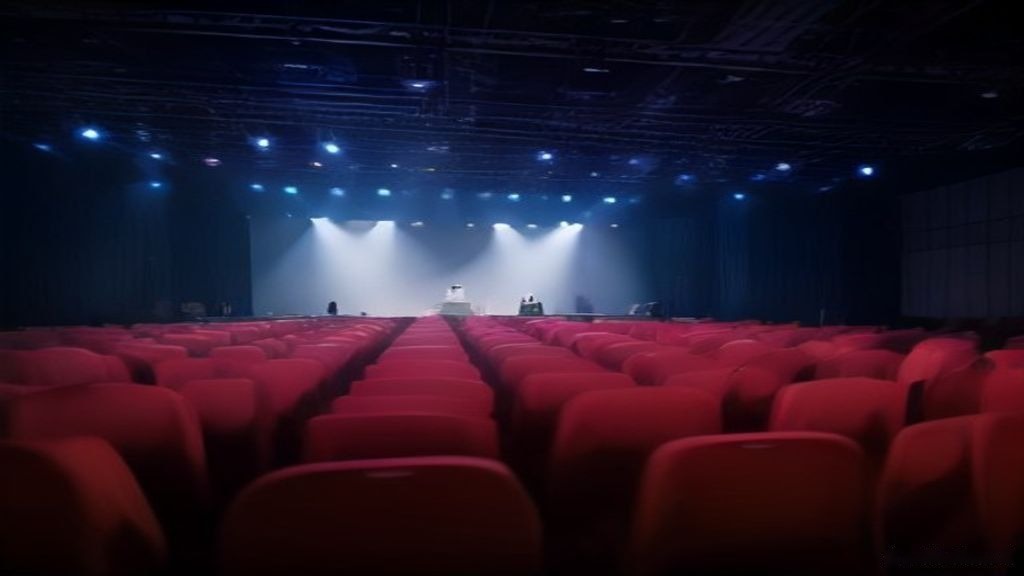
In Hong Kong venues — from Wan Chai ballrooms to outdoor harbourside stages — the raw space is almost always a compromise. Ceilings too low, reverb too long, daylight too strong. Professional event production exists to fix those compromises.
- Sound makes the message land. A keynote with muddy audio loses the room within twenty minutes. Clear PA coverage, well-set monitors, and clean wireless channels are what keep an audience engaged from first line to last.
- Lighting controls attention and mood. Warm uplighting for a banquet, cool white for a product launch, programmed moving heads for a concert. Lighting tells the audience how to feel before a single note plays.
- Integration matters more than gear. The same 300W moving head reads as “cheap” when mistimed and “cinematic” when programmed with the audio cues. That timing is craft, not equipment.
The practical rule: budget for lighting and sound as one combined experience, not two separate line items.
Core components of a professional event sound system
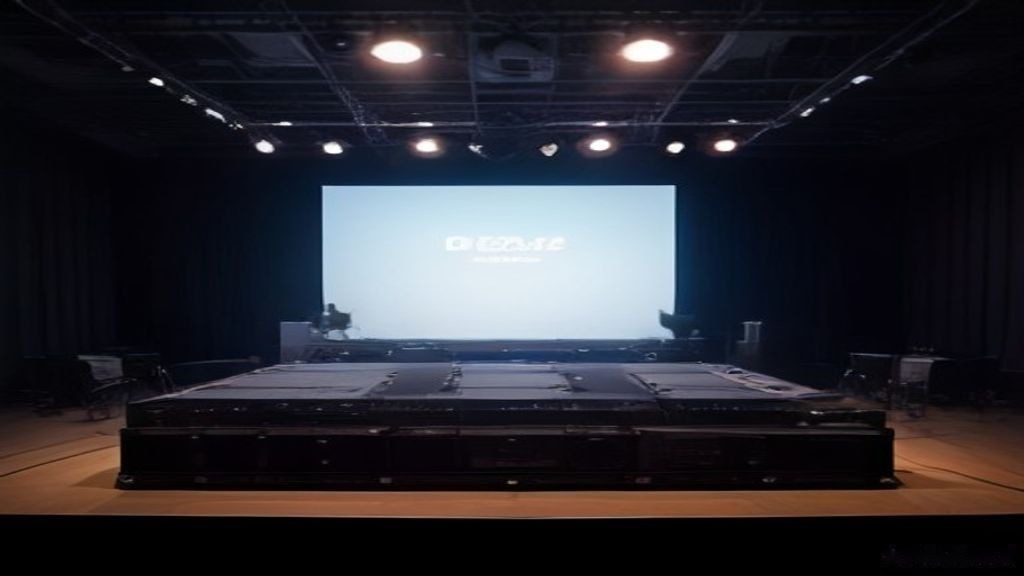
A full PA rig for a Hong Kong event typically includes:
Main PA and coverage
Main speakers deliver the bulk of the sound to the floor. For most indoor corporate events (50–300 pax), a compact line-array or point-source pair covers the room; outdoor or larger rooms benefit from flown line arrays plus delay towers so the back row hears the same mix as the front.
Monitors and front-of-house
Stage foldback monitors let performers hear themselves; the mixing console — analogue for small shows, digital for anything with more than eight-plus inputs — is where the sound engineer balances the mix in real time. A digital audio processor handles equalisation and feedback suppression, which in a reverb-heavy ballroom is the difference between intelligibility and howl.
Microphones and wireless
Wired handhelds for MCs, handheld or headset wireless for performers, lavaliers for presentations. A professional show plan usually includes 2–4 wireless channels minimum with spare frequencies, plus a talkback system so the audio desk can coach presenters quietly.
Designing the right lighting package for your venue
Lighting design starts with what the room already has and what you want the audience to feel. A useful mental model is three layers:
1. Ambient and architectural wash
General fill and architectural light that takes over when house lights drop. Without this layer, the room looks like a black box and video walls float in the void.
2. Feature and accent lighting
Moving heads, profile spots, and LED wash fixtures that create movement, colour, and focus. For corporate launches, slower colour scenes; for concerts, high-tempo programming that reacts to the music.
3. Special effects
Haze for beam visibility, lasers, strobes, and gobo projectors. Haze is the most-underrated item on the rig list — no haze, no visible beams, and moving heads read as dim ceiling lights.
For outdoor Hong Kong venues, the biggest design variable is ambient light: a dusk start on the harbourfront demands a much heavier rig than a blackout ballroom.
Indicative rental prices in Hong Kong (2025–2026)
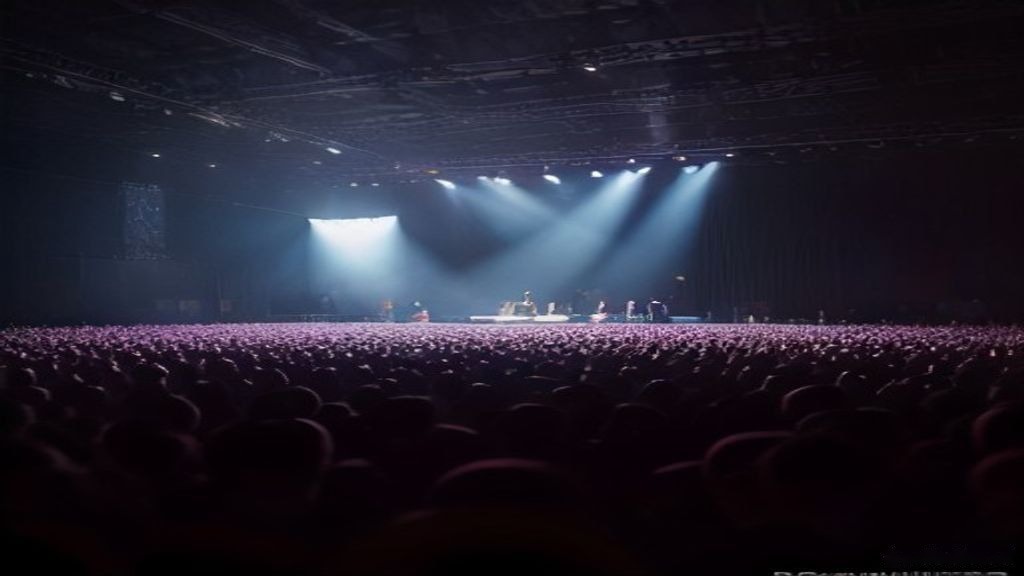
Sourced indicative ranges for a mid-scale corporate or concert event. Actual quotes vary with venue access, rigging, and lead time:
| Item | Function | Typical range (HKD) |
|---|---|---|
| Main PA system | Full venue coverage | 60,000–400,000 |
| Monitor speakers | Stage foldback | 25,000–120,000 |
| Wireless microphones | Speech / performance | 12,000–65,000 per set |
| Mixing console | Live mix control | 40,000–250,000 |
| Digital audio processor | EQ / feedback control | 35,000–160,000 |
| LED wash + moving-head rig (mid show) | Feature lighting | 30,000–150,000 |
| Haze / special effects | Beam visibility, FX | 8,000–40,000 |
A fully operated mid-size show (300–1,000 pax) in Hong Kong commonly lands in the USD 20,000–50,000 all-in event range once staging, crew, and rigging are included. Treat any figure below half of that with healthy skepticism.
Common sound problems and how professionals fix them
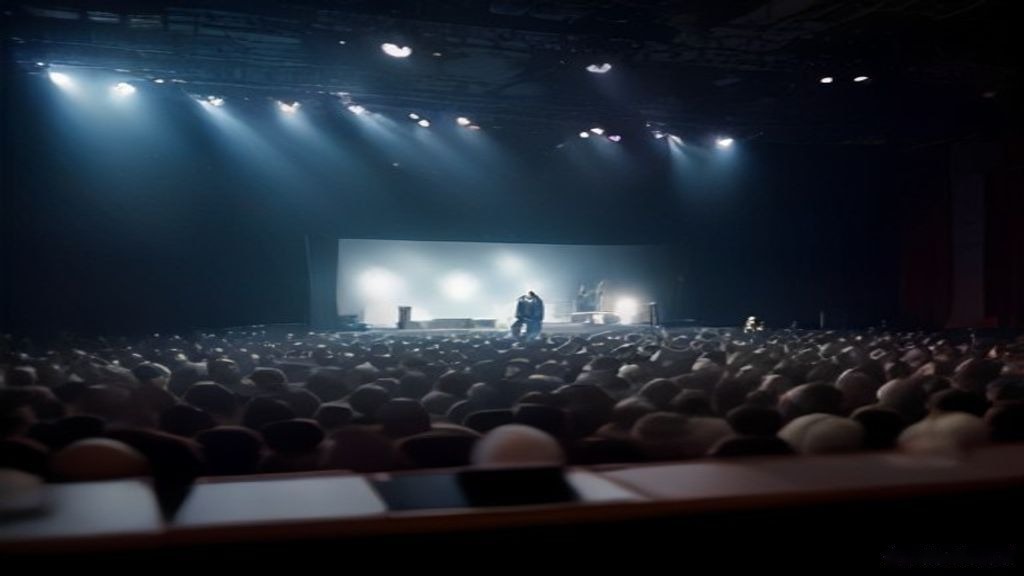
From hundreds of shows, these three failure modes cover 80% of complaints:
Feedback (howling) — microphones too close to monitor output or gain set too high. Fix: 31-band equalisation to notch the resonant frequency, lower monitor volume, and reposition capsules. A digital processor with live feedback detection handles this live.
Uneven volume — dead zones and hot spots caused by room acoustics and speaker placement. Fix: an acoustic survey before the show, plus delay speakers that fill the dead zone with time-aligned sound.
Muddy or boomy sound — excess room reverb smearing transients. Fix: cut low-mids on the main PA, use directional microphones, and in extreme cases add acoustic treatment panels to reflective surfaces.
Choosing a production partner for Hong Kong events
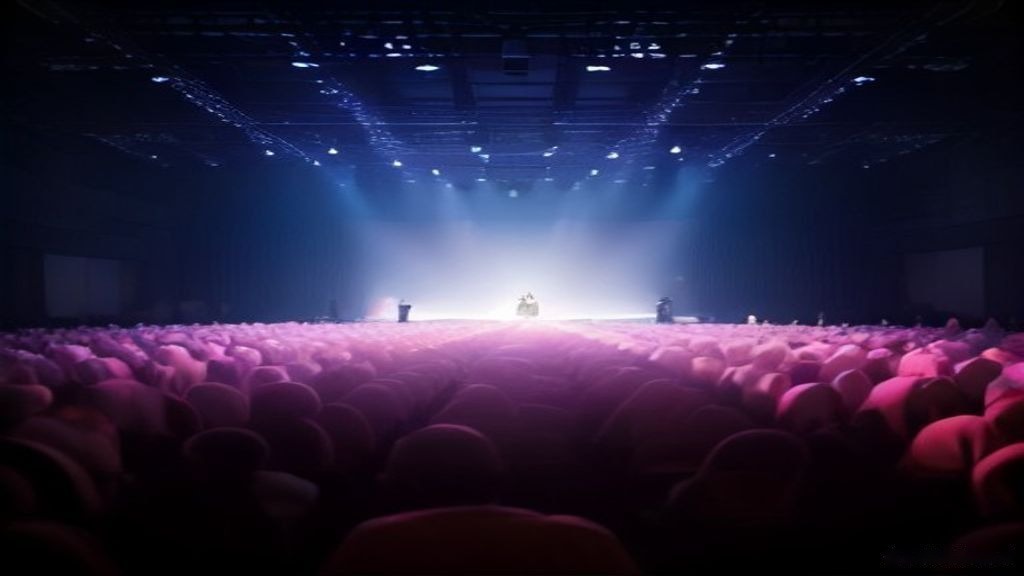
When comparing lighting and sound suppliers, look at:
- Portfolio matched to your format. A team that runs banquets daily and another that runs concerts daily are different businesses. Show them your audience size and format and ask for the closest three past jobs.
- Crew included, not an afterthought. Rigs need certified riggers, a lighting programmer, and a sound engineer on stage the whole show. Ask who is on site, for how many hours.
- Transparent breakdowns. A trustworthy quote separates equipment, crew, rigging, and transport. Bundled “package pricing” hides where the money goes — and where you can save.
- Contingency practice. Spare channels on the wireless system, backup laptops for cues, tested backup PA. Ask directly what happens if the primary console fails mid-show.
FAQ
How far in advance should I book audio and lighting in Hong Kong?
For corporate events, 4–6 weeks is comfortable; major conferences and concerts 8–12 weeks. Peak seasons (October–December, CNY) fill fastest.
Do I need both a lighting designer and a sound engineer?
For any event above ~200 guests, yes. Each discipline has a dedicated engineer on site; expecting one technician to run both desks is the classic way shows fall apart.
Can I supply my own LED wall and rent only sound and lighting?
Yes — that is a common split. A professional team will integrate your display into their cues, but confirm they support your player/OS and signal formats.
What happens if the venue has poor acoustics?
Nothing is unsolvable, but it costs rig time. Expect EQ work, extra delay towers, and possibly acoustic panels — budget headroom accordingly.
Is haze safe and legal for indoor events in Hong Kong?
Fog/haze fluid is generally low-toxicity and used industry-standard, but confirm with the venue and your insurer. Outdoor events on the harbourfront may need additional licensing.
Start planning your event
If you are planning a corporate launch, wedding, or concert in Hong Kong and want a single team to design, rig, and operate both the sound and lighting, we can walk through the venue, scope the rig, and quote within days. Call +852 2668 4882 or email support@prosound.hk.