
The Impact of Curved LED Screens on Event Design
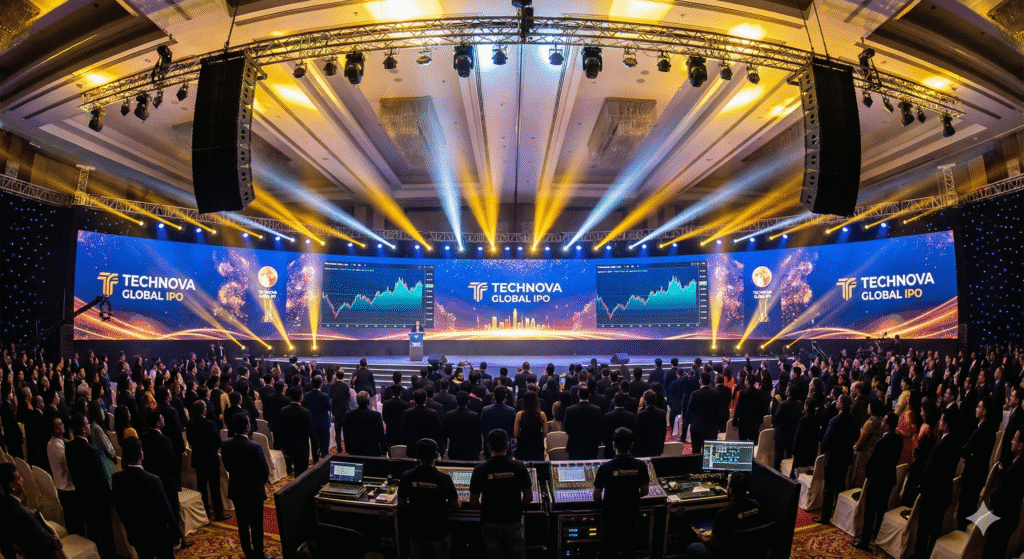
In the realm of modern event production, the integration of large curved LED screens has emerged as a pivotal element in enhancing visual storytelling. These innovative displays break away from traditional flat screens, offering a more dynamic and engaging viewing experience. Curved LED screens can seamlessly wrap around a stage or venue, which not only captivates audiences but also emulates a more immersive environment that draws attendees into the narrative being presented.
One of the most significant advantages of curved LED screens is their ability to create intricate visual displays. The flexibility of these screens allows event designers to experiment with various shapes, sizes, and configurations, making it easier to tailor visuals that align perfectly with the thematic elements of the event. As a result, the event’s message is communicated more effectively, whether it is through stunning graphics, vibrant videos, or interactive content. Enhanced visual storytelling has become a hallmark of successful events, bridging the connection between the audience and the experience.
Technological advancements have played a crucial role in the rising popularity of curved LED screens for large-scale events. Modern advancements in LED technology ensure clearer images, improved color accuracy, and superior brightness, even in well-lit venues. Additionally, these screens are lightweight and can be easily transported, set up, and dismantled, thus offering more versatility for event organizers. The advent of 3D capabilities also means that curved screens can deliver a deeper layer of engagement, with visuals appearing to leap off the screen and envelop the audience. Consequently, the continued evolution of curved LED technology represents a significant leap forward in event design, setting new standards for what is possible in the realm of visual displays.
The Role of Professional Stage Lighting in Event Atmosphere
Professional stage lighting plays a pivotal role in creating an immersive atmosphere at events. It significantly contributes to the audience’s experience by enhancing the visual aesthetics and conveying the intended mood of the performance. Different types of lighting, including LED lights, moving lights, and special effects, are employed to achieve this atmosphere.
LED lighting fixtures are increasingly popular in various settings due to their energy efficiency, versatility, and ability to produce vivid colors. These lights can be used for uplighting, accenting specific areas, and creating dramatic backgrounds, thereby transforming ordinary spaces into visually stunning environments. Their flexibility allows for seamless transitions between different scenes, ensuring that the mood aligns with the event’s progress.
Moving lights are another essential component in professional stage lighting. These fixtures can pan, tilt, and change colors, enabling lighting technicians to craft dynamic scenes that evolve throughout the event. By adjusting the intensity and angle of the lights, technicians can highlight performers, create shadows, and set the stage for various atmospheres, from intimate gatherings to grand presentations.
In addition to LED and moving lights, special effects lighting, such as lasers, fog machines, and strobe lights, adds another layer of engagement. These effects can heighten the emotional impact of performances, providing audience members with memorable visual experiences. Lighting technicians work meticulously to balance all aspects of lighting, considering color schemes and intensity while determining the optimal placement of each fixture.
In summary, the crucial role of professional stage lighting in event atmosphere cannot be understated. By skillfully combining various lighting types, technicians can create an enchanting environment that captivates audiences and enhances their overall experience.
The Importance of Line Array Speakers for Sound Quality
Line array speakers play a pivotal role in professional event production, particularly when it comes to delivering high-quality sound across various venues. These sophisticated audio systems consist of multiple speakers arranged in a vertical line. This configuration allows them to project sound over long distances while maintaining clarity and consistency, making them a preferred choice for large events and concerts.
The design of line array speakers enhances their ability to control sound dispersion, ensuring that the audience, regardless of their location, experiences a uniform sound level. This contrasts with traditional speaker systems, which often rely on a wider dispersion pattern that can result in uneven sound coverage. In contrast, the focused output of line arrays minimizes the impact of reflections from walls and ceilings, which can muddy sound quality and create echoes.
Furthermore, the acoustic design of these speakers permits adjustments based on the venue’s unique characteristics. Speaker placement and tuning are critical components of achieving optimal sound distribution. By strategically positioning line arrays, sound engineers can tailor the audio experience, ensuring that every audience member receives clear and balanced sound. This meticulous attention to detail is what sets line array systems apart from standard speaker setups.
In essence, line array speakers enhance the auditory experience by providing higher fidelity sound, reducing unwanted reflections, and allowing for precise control over audio distribution within a venue. Their technological advancements and strategic configurations enable professionals to create an immersive audio environment that is essential for successful event production. This emphasis on sound quality ultimately elevates the overall experience for attendees, making line array speakers a cornerstone of professional audio design.
Behind the Scenes: The Technicians Making It All Happen
In the realm of professional event production, the spotlight often shines on performers and speakers, but the unsung heroes are undoubtedly the technicians who operate behind the scenes. Their expertise and meticulous attention to detail lay the foundation for memorable experiences at large events. Technicians are tasked with a multitude of responsibilities, including the setup and operation of lighting, sound systems, and visual components. Each of these elements requires specialized knowledge and skill, ensuring that everything functions seamlessly.
Teamwork plays a pivotal role in the successful execution of any event. Technicians frequently collaborate with event planners, designers, and artists to bring the vision to life. Their ability to communicate and coordinate efforts is crucial, particularly in high-pressure environments. For instance, during a recent outdoor festival, a team of light and sound technicians worked tirelessly to adapt to sudden weather changes, demonstrating how agility and cooperation are vital in this industry.
Moreover, industry professionals often cite the challenges faced during the production phase. Jason, a seasoned audio engineer, recalls an instance where a power outage threatened to derail a corporate conference. “We had to quickly improvise, utilizing backup power systems to ensure the sound remained uninterrupted,” he explains. Such experiences showcase the technicians’ commitment to their craft and the innovative solutions they develop when obstacles arise.
The importance of technicians in the world of event production cannot be overstated. Their skill sets range from technical expertise in equipment operation to creative problem-solving under pressure. The marriage of these elements guarantees a polished and professional presentation, allowing attendees to focus on the experience rather than the mechanisms behind it. Ultimately, it is the diligence and proficiency of these technicians that contribute to the unforgettable nature of live events.
你必須登入才能發表留言。